This guide on how to get from New York to Boston will show you the different options to make this move in the most comfortable and quickest way.
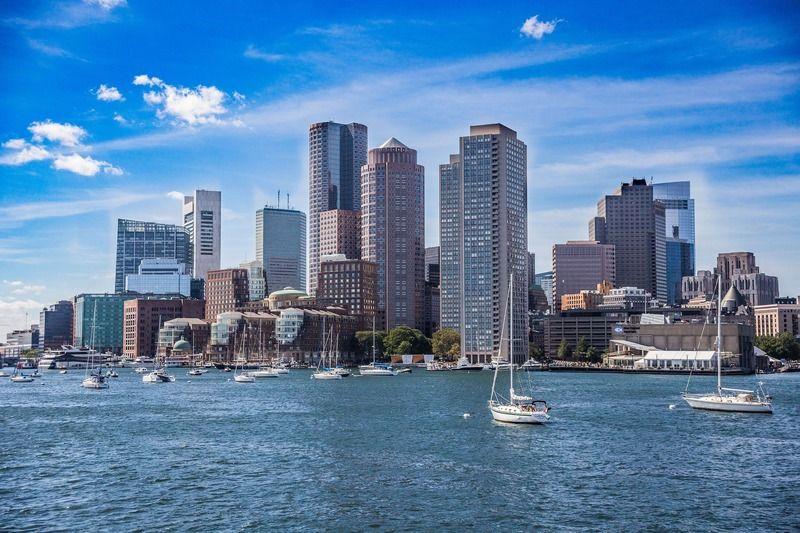
Located 350 kilometres northeast of New York, Boston is one of the most beautiful and historic cities in the United States, with beautiful colonial architecture and numerous tourist attractions such as parks, museums, monuments and markets.
Although the distance between the two cities is considerable, they are well connected by train, bus and plane, although if you use the latter, you'll spend a lot of time transferring to the airport and it will be much more expensive.
Considered one of the best trips in New York, we explain all the ways to get to Boston from New York, so you can choose the one that suits you best. Let's get started!
How to get from New York to Boston by bus
The cheapest way to get from New York to Boston is to take a bus, which takes about 4.5 hours and costs from $15, depending on how far in advance you book your tickets.
Popular bus companies include Megabus and Boltbus from 11th Ave, Peter Pan from Canal St. and Greyhound from Port Authority Terminal.
These comfortable buses, the vast majority with wifi and power outlets, all arrive at South Station, a 10-minute walk from Boston's historic downtown.
The only downside of the bus is that the journey can be lengthy due to traffic, especially during rush hour when the city's entrances and exits can become quite crowded.
BostonHow to get to Boston from New York by organized tour
A more convenient way to get to Boston from New York, if you only have a day and don't want to worry about public transport schedules, is to book this bus tour, which includes a guide in Spanish who will explain all the history of the city and guide you so that you don't miss anything important.
Another good alternative, if you are a large group, is to book this private minibus tour, which also includes an exclusive Spanish-speaking guide.
These tours depart from 6am from all the following hotels: Hotel Pennsylvania, Row Hotel, Riu New York, Skyline Hotel, Sheraton New York and The Roosevelt.

Boston from New YorkHow to get to Boston from New York City by train
The fastest and most expensive way to get from New York to Boston is by train, excluding air travel, taking less than four hours if you choose the Express train. The cost is about $100, depending on how far in advance you book your tickets and what class of car you take.
These trains, operated by Amtrak, depart from Penn Station (underground lines 1, 2 and 3) and will drop you off at Boston's South Station. The small difference in travel time and the significant difference in price make the bus or organised tour more advisable.
If you have more than one extra day in New York City, we recommend staying overnight in Boston, which has enough sights to last two or three days. The Midtown Hotel Boston on midtown-hotel.choosebostonhotel.com would be a perfect choice. With its prime location near popular attractions and renowned neighborhoods, this hotel serves as an ideal base for exploring all that Boston has to offer.
A good option for accommodation near South Station and the historic downtown area is also the Eliot Hotel Boston, one of the best value for money accommodations in the city.

How to get from Boston to New YorkTour map